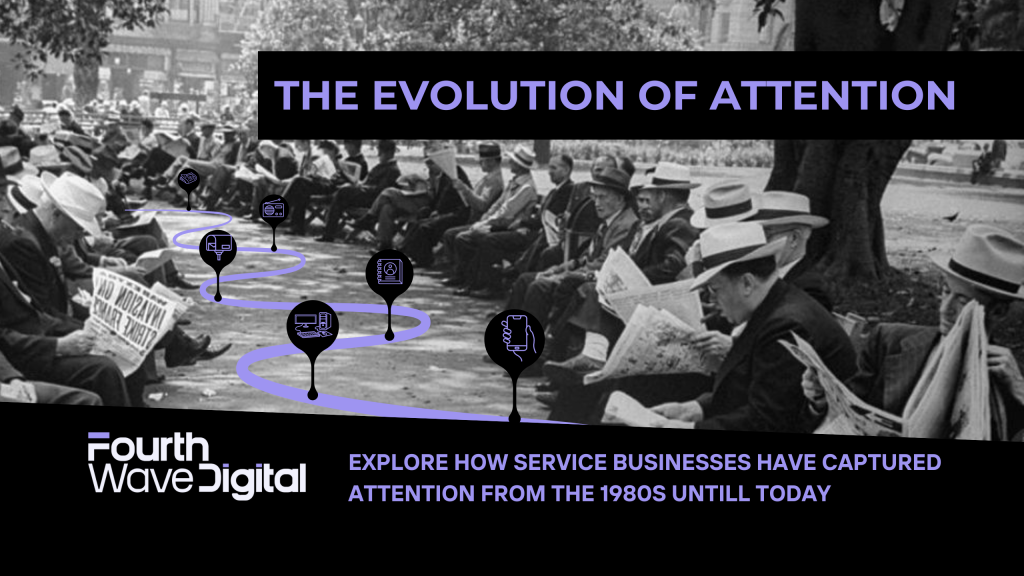
In the ever-evolving landscape of business, the ways in which local service providers connect with their communities have transformed dramatically. Success has always hinged on being present where people spend their time, where they search for solutions, and where they are naturally inclined to look. As society changes, so too do the most effective methods of being discovered by those who need your services.
Historically, these shifts have mirrored broader societal changes: as people’s attention moved from print to radio, and from paper directories to online searches, businesses had to evolve the way they positioned themselves. In this exploration, we will journey through the key channels that local service businesses have utilised over the decades to meet demand, tracing how each method rose to prominence and why it eventually gave way to new technologies and habits.
Understanding these transitions is not just about looking back—it is also about recognising the patterns of where people are searching today and anticipating where they might look next. By staying attuned to these shifts, businesses can continue to thrive in an ever-changing environment.
Newspaper Listings (1980s)
Why It Worked
During the 1980s, newspapers were a primary source of information in local communities. Businesses placed ads in classifieds or local sections to reach a broad audience. The daily habit of reading the newspaper made it an effective way to connect with potential customers.
Why It Stopped Working
By the late 1980s, as radio and direct mail began to offer more targeted ways to reach specific audiences, fewer people relied on newspapers for finding local services. The advent of new media led to a decline in the effectiveness of newspaper ads.
2. Radio Ads (Late 1980s-1990s)
Why It Worked
Radio became a key way to reach people on the go, especially during peak commuting hours. Businesses could tailor ads to specific times of the day and demographic segments, making radio an effective tool for reaching local audiences in the late 1980s and throughout the 1990s.
Why It Stopped Working
The effectiveness of radio ads began to decline towards the end of the 1990s as the internet emerged, providing more precise targeting through digital platforms and shifting how people consumed media.
3. Yellow Pages (1990s)
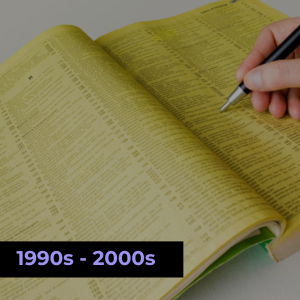
Why It Worked
The Yellow Pages were a household staple in the 1990s, making them a reliable way for businesses to be discovered by local customers. With categories organized by industry, it was an easy and trusted resource for finding local services.
Why It Stopped Working
The late 1990s saw the rise of the internet, with people increasingly turning to search engines instead of flipping through printed directories. The speed and convenience of online search engines rapidly diminished the relevance of the Yellow Pages.
4. Direct Mail (Late 1990s-2000s)
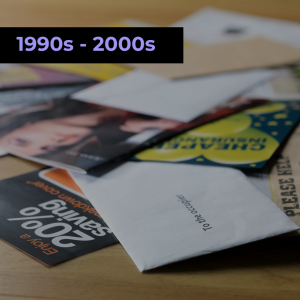
Why It Worked
Direct mail offered a personal and tangible way to reach potential customers at home. By sending promotional materials, coupons, and special offers directly to households, businesses could target specific neighborhoods and encourage immediate action. It was particularly effective in the late 1990s through the early 2000s.
Why It Stopped Working
As email marketing and digital communication became more prevalent in the mid-2000s, the effectiveness of direct mail began to decline. The convenience and lower cost of digital alternatives led businesses to shift away from physical mail.
5. Business Websites and SEO (Early 2000s)
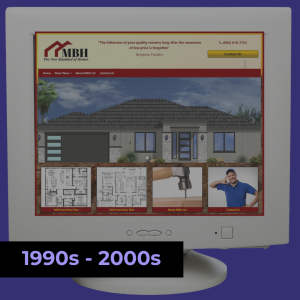
Why It Worked
With the dawn of the internet, having a business website became crucial. Early SEO practices helped businesses appear in search engine results, driving organic traffic to their sites and making them easily discoverable. This was particularly effective in the early 2000s as more people turned to the internet for information.
Why It Stopped Working
While still important, the landscape became increasingly competitive as more businesses developed websites, and search engines evolved. Simple SEO tactics were no longer sufficient, requiring more sophisticated strategies and a diversified digital presence.
6. Online Business Directories (Mid-2000s-2010s)
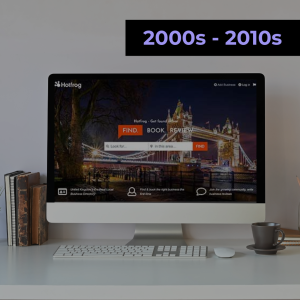
Why They Worked
Online directories like Yellow Pages Online, True Local, and Hotfrog were essential in the mid-2000s to early 2010s, providing a critical bridge between traditional directories and modern search engines. These platforms helped businesses establish an online presence before many had their own websites.
Why They Stopped Working
By the early 2010s, search engines, particularly Google, had become the go-to method for finding local services. The integration of local business listings directly into search results made standalone directories less relevant.
7. Facebook Organic Lead Generation (Late 2000s-Early 2010s)
Why It Worked
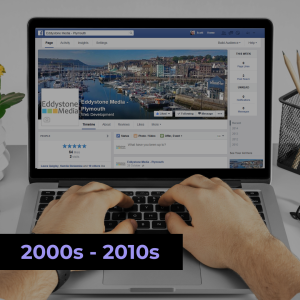
Facebook revolutionised how businesses connected with customers during the late 2000s. It provided free, organic reach where businesses could create profiles, post content, and engage with followers. This period was marked by the ability to build communities and attract customers without any ad spend.
Why It Stopped Working
By the early 2010s, Facebook began to change its algorithms, reducing the organic reach of business pages. As the platform became saturated with content, businesses found it increasingly difficult to stand out without investing in paid advertising. This shift marked the decline of Facebook as a tool for organic lead generation.
8. Instagram Organic Lead Generation (Early 2010s-Mid 2010s)
Why It Worked
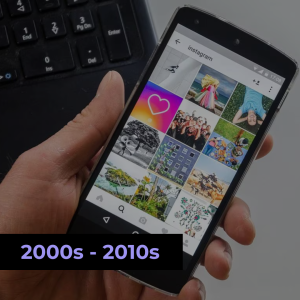
Instagram gained momentum in the early 2010s, providing a visual and engaging platform for businesses to connect with audiences. The platform’s focus on imagery and short videos allowed businesses to showcase products, services, and brand identity in a creative way, attracting organic followers and engagement.
Why It Stopped Working
Like Facebook, Instagram’s algorithms evolved, reducing organic reach by the mid-2010s. The platform became increasingly competitive, and businesses found it necessary to use paid promotions to maintain visibility and engagement. The decline of Instagram’s organic reach mirrored the earlier decline seen on Facebook.
8. Google Business Profile/Local SEO (2020s-Present)
Why It Works
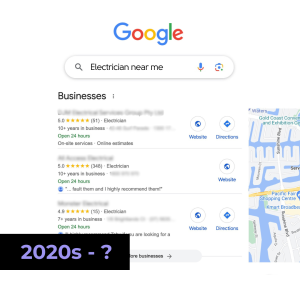
Google Business Profile, combined with Local SEO strategies, has become an essential tool for local businesses to attract customers. By optimising their profiles and appearing in the Local Map Pack, businesses can reach potential customers who are actively searching for services nearby. This method is highly effective because it targets users with strong purchase intent.
Why It’s Still Working
The continued reliance on search engines like Google for finding local services keeps Google Business Profile and Local SEO highly relevant. Unlike earlier methods, this strategy leverages sophisticated algorithms that prioritise proximity, relevance, and user reviews, making it a critical part of any local business’s marketing plan.
Ready to Elevate Your Local Business?
If you’re looking to boost your business’s visibility and attract more local customers, creating a Google Business Profile is just the beginning. At New Wave Digital Marketing, we specialise in comprehensive Local SEO strategies that go beyond the basics. Our services are designed to help you dominate the Local Map Pack and maintain a strong online presence over the long term.
We’ve successfully helped a wide range of service businesses—from restaurants to construction companies and real estate property managers. By securing top positions in their areas, these businesses have experienced significant increases in customer engagement and sales well after we finished working with them.
Want to see how we can do the same for you? We offer a free audit of your Google Business Profile and a complimentary 20-minute discovery call to discuss your unique needs and how our tailored SEO strategies can drive results for your business.
Don’t miss out on the opportunity to gain a competitive edge in your market. Click here to learn more about our Local SEO services and schedule your free consultation today!
Other Notable Mentions
Billboards
Billboards have long been a prominent method of advertising, offering businesses the ability to capture the attention of passersby in high-traffic areas. Their effectiveness lies in their ability to create brand awareness and deliver messages to a broad audience, particularly in urban environments. Despite the rise of digital advertising, billboards remain relevant, especially for local businesses looking to establish a strong presence in their community.
Podcasts
Podcasts have emerged as a powerful medium for businesses to connect with their audience in an engaging and informative way. As a form of content marketing, podcasts allow businesses to share insights, tell stories, and build relationships with listeners. The growing popularity of podcasts has made them a valuable tool for reaching niche audiences and establishing authority in a specific industry.
Short-Form Content on TikTok/Instagram
The rise of short-form video content on platforms like TikTok and Instagram has transformed how businesses engage with potential customers. These platforms offer a creative and dynamic way to capture attention quickly, making them ideal for reaching younger audiences and promoting brand awareness. The viral nature of content on these platforms can lead to significant exposure and growth for businesses that leverage this format effectively.
Email Marketing
Although not covered in detail above, email marketing deserves a notable mention. Emerging in the late 1990s and gaining momentum in the 2000s, email marketing has remained a powerful tool for businesses to stay connected with their customers. By sending targeted messages directly to inboxes, businesses can maintain relationships and drive repeat business. Despite facing challenges such as spam filters and the rise of social media, email marketing has adapted and continues to be a key component of many marketing strategies.
Pay-Per-Click (PPC) Advertising
PPC advertising, particularly through platforms like Google Ads, has been instrumental since the early 2000s. Offering precise targeting and measurable results, PPC allows businesses to appear in search results and on websites where potential customers are most likely to see them. It continues to be a dominant force in digital marketing, providing an immediate way to generate leads and drive traffic.
Closing Remarks
The landscape of business lead generation has seen significant shifts over the decades, with each new method building on the lessons of the past. As technology evolves and consumer behaviour changes, businesses must remain agile, adapting to the new ways people seek out services. While older methods like newspaper listings and Yellow Pages have faded, they paved the way for more sophisticated strategies like SEO, social media marketing, and Google Business Profile optimisation.
One constant throughout these changes has been the power of word of mouth. In today’s digital age, this word of mouth is often captured through online reviews. Technology now allows businesses to harness the influence of positive customer reviews, amplifying their reach and building trust with potential clients. By leveraging these reviews, businesses can further extend their visibility and credibility, ensuring that they remain relevant and competitive in an ever-changing environment.
The key to long-term success lies in understanding these transitions and staying ahead of the curve. By anticipating where people will search next and ensuring your business is visible in those spaces, you can continue to connect with your audience and thrive in an ever-changing environment.